


Waiting for CAMHS? How to Support Neurodiverse Children in the Meantime
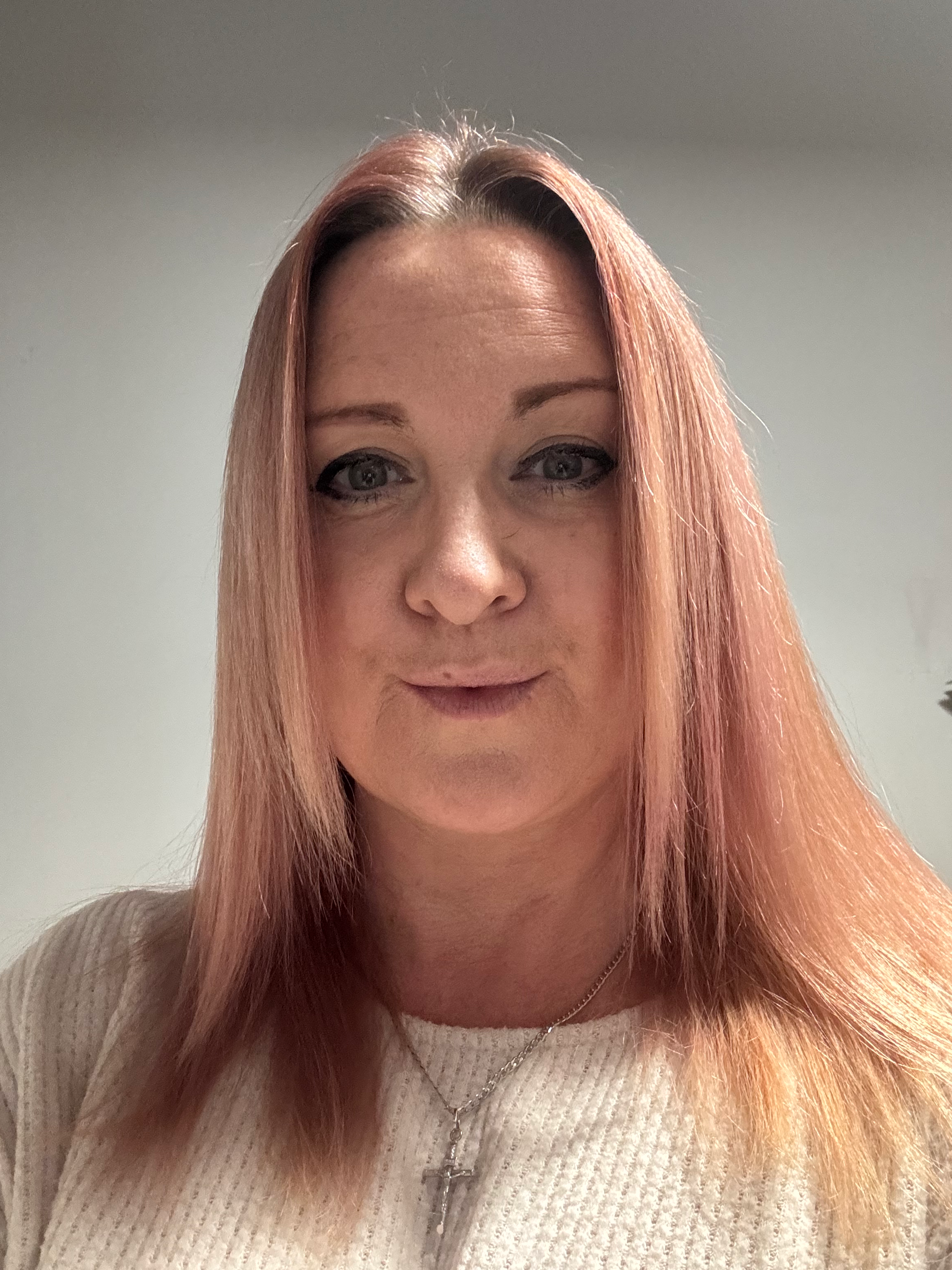
Happy New Year, and thank you.
As we step into a new year, I want to take a moment to thank every parent, professional, and family who has trusted me, supported my work, and walked alongside me this past year. The work I do is deeply personal, and your belief in it truly matters.
Supporting neurodiverse children, particularly within the family home, is at the heart of everything I do. No child comes with an instruction manual, yet so many parents are left feeling overwhelmed, exhausted, and unsure how to restore peace and harmony when stress and meltdowns dominate daily life.
The reality is this: the society we currently live in is not working for neurodiverse children.
This is especially true for children experiencing Anxiety or EBSA (Emotionally Based School Avoidance). Schools are asking too much, too early, and too rigidly, and parents are often placed in an impossible position. Under pressure from systems, parents can feel forced to push their children, when what their child actually needs is to be heard, understood, and believed.
Neurodiverse children need to know that their parents are their safe place. That they can trust you to advocate for them, not simply comply with systems that are not designed for their needs. Trust, emotional safety, and connection must always come first.
Yes, waiting lists for diagnosis are long.Yes, CAMHS and Right to Choose pathways can feel never-ending.
But support does not need to wait for a diagnosis.
Support should be based on need, not labels.
I strongly believe we need to move towards a learning system that is more child-centred, learning-style-based, and genuinely enjoyable. Learning should be engaging and accessible, because when school is more flexible and more fun, we see:
Less school avoidance and truancy
Less rejection sensitivity
Happier, more regulated children
More teachers staying in the profession
A better system all round
This is where I come in.
If you are asking yourself:
Is my child struggling in school?
Are home-time meltdowns extreme and unmanageable?
Am I waiting for CAMHS or Right to Choose and completely overwhelmed?
Do I feel unheard by school but frightened of “getting it wrong”?
Then I can help.
My Neuroprofile Assessment is designed to help you truly understand your child, not just their behaviour, but why it is happening.
Through this process, we explore:
Your child’s individual neuroprofile
Triggers and stress points
Emotional, sensory, and environmental needs
Reasonable adjustments schools should be putting in place
Possible co-existing conditions that may need GP or medical follow-up
I have been providing these assessments for over five years and have supported more than 1,500 children and families, helping parents move from crisis to clarity, and from conflict to connection.
You do not have to wait.You do not have to struggle alone.And your child does not need to be “broken” to deserve support.
If this message resonates with you, please get in touch.Let this be the year you truly understand your child, and help them feel safe, supported, and enough.
Warm regards,
Kelly Young
Neurodiversity Coach, Consultant & Pre-Assessor

Neurodiversity Support


Comments